 01
01The Science of Better Sleep
A realistic guide to sleep pressure, body clocks, habits, and when insomnia needs clinical attention.
Read guide →Ideas for living more like yourself.
Thoughtful, practical guidance for the messy middle—not formulas for becoming a flawless person.
Use these pages to learn and prepare questions. They do not replace individualized care.
01A realistic guide to sleep pressure, body clocks, habits, and when insomnia needs clinical attention.
Read guide →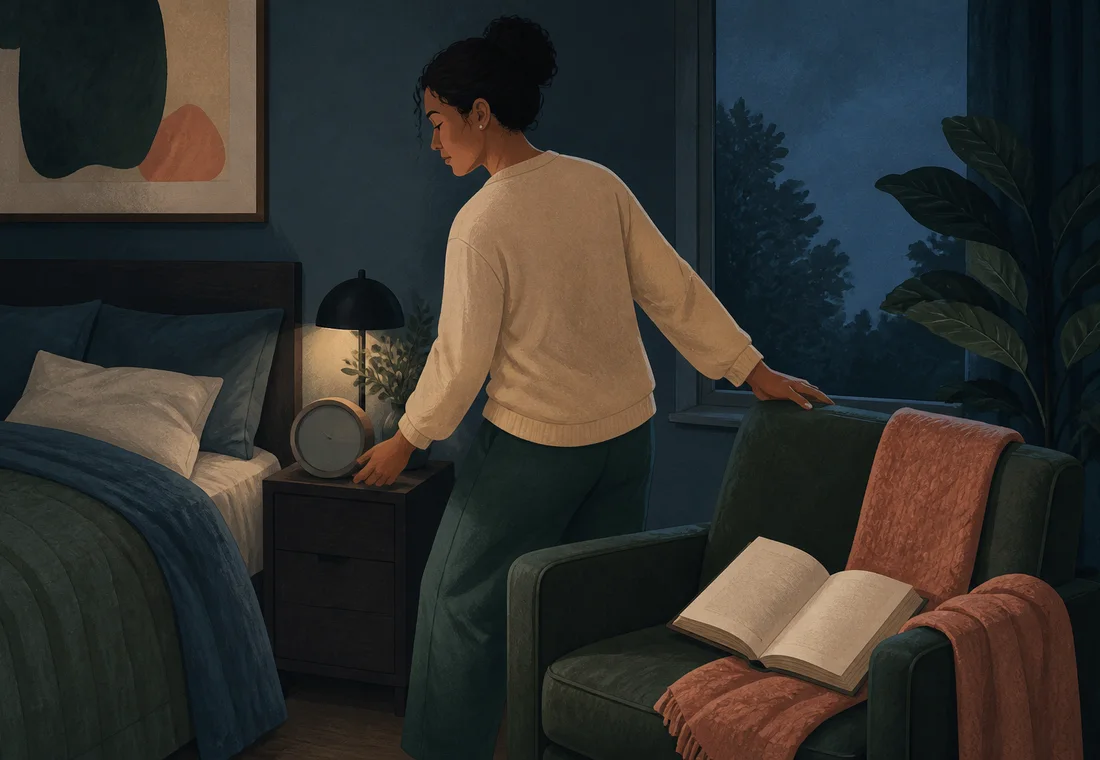 02
02Reduce clock-watching, sleep effort, and catastrophic predictions that keep the nervous system alert.
Read guide →A guide works best when it helps you observe a pattern, test a manageable action, or prepare a more specific conversation.
Choose the guide that matches what is affecting daily life now. You do not need to settle on a diagnosis before learning or seeking support.
Every guide now includes a private one-week experiment worksheet. Record what you tried and what changed rather than grading yourself.
Persistent, disruptive, medically concerning, or unsafe symptoms call for professional or urgent support—not a longer self-help checklist.
| If you need… | Start here | Then consider |
|---|---|---|
| Understanding | Read the “pattern” and “what to notice” sections | Write one example from daily life |
| A practical step | Choose one action from the plan | Use the one-week experiment worksheet |
| Care preparation | Review support thresholds and sources | Build a care-search brief or contact a qualified professional |
If you are not sure which guide fits, start with a private self-reflection to organize frequency, setting, change, and everyday impact without assigning a label.
When a guide points toward evaluation, use the care-search workspace to turn what you noticed into provider requirements and consultation questions.
Every health claim should make its limits visible; read the editorial policy for the source, review, correction, and commercial-separation standard used here.