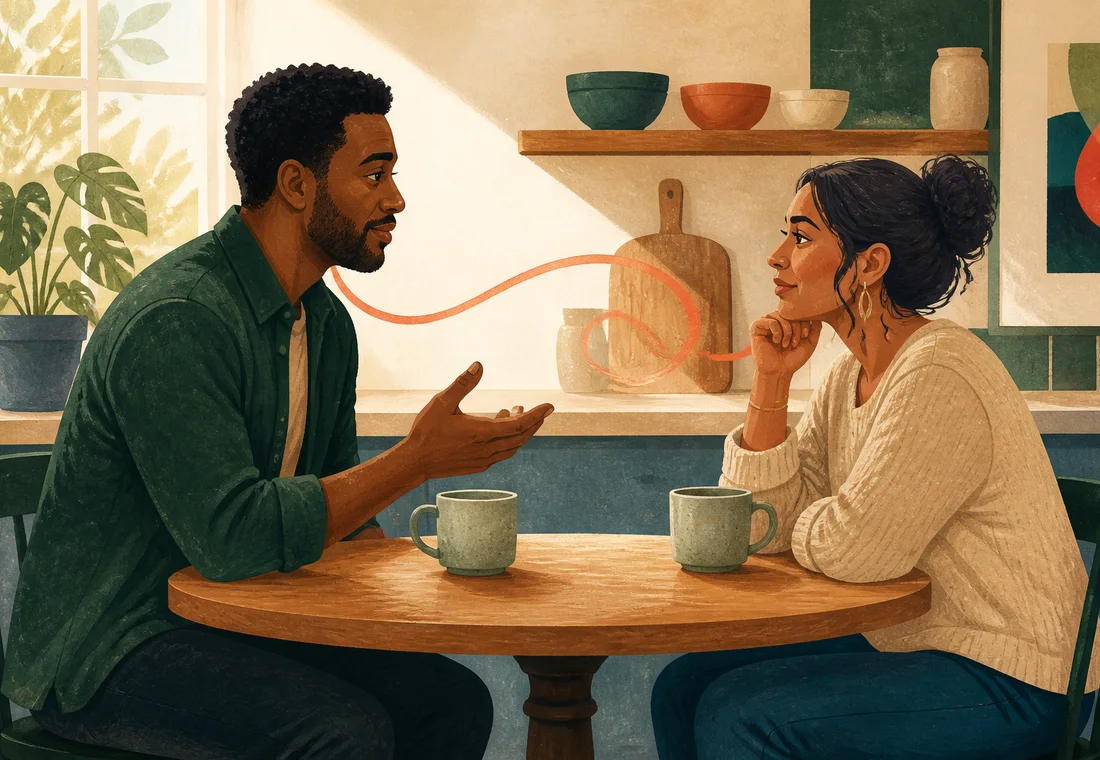
Communication Skills for Better Relationships

Key Summary

Strong communication is the foundation of healthy relationships. This comprehensive guide teaches you essential communication skills that strengthen connections, resolve conflicts, and build deeper intimacy. Whether managing workplace conflicts or personal relationships, learn active listening, assertive expression, conflict resolution, and how to communicate needs effectively across all your relationships.

"The single biggest problem in communication is the illusion that it has taken place." - George Bernard Shaw

Why Communication Matters

Research consistently shows that communication quality predicts relationship satisfaction, longevity, and overall wellbeing. Poor communication leads to misunderstandings, resentment, and disconnection. Effective communication requires strong boundaries and mutual respect.

Impact of Communication Quality

AreaGood CommunicationPoor Communication
Relationship SatisfactionHigh intimacy, trust, and fulfillmentDisconnection, loneliness, dissatisfaction
Conflict ResolutionProductive disagreements, growthEscalation, resentment, stonewalling
Emotional HealthFeeling heard, validated, understoodFeeling dismissed, misunderstood, isolated
Problem-SolvingCollaborative solutions, teamworkPower struggles, impasses, blame
Relationship Longevity75% stay together long-term50% end within 5 years

The 4 Communication Styles

Understanding your default communication style helps you identify patterns and make intentional changes.

Passive

"Your needs matter more than mine"

Characteristics:

  • Avoids expressing opinions or needs
  • Agrees to keep peace even when unhappy
  • Apologizes excessively
  • Struggles to make decisions

Impact:

Builds resentment, low self-esteem, others take advantage

Aggressive

"My needs matter more than yours"

Characteristics:

  • Dominates conversations
  • Interrupts and talks over others
  • Blames, criticizes, or attacks
  • Uses intimidation to get needs met

Impact:

Damages relationships, alienates others, creates conflict

Passive-Aggressive

"I'll express anger indirectly"

Characteristics:

  • Says yes but acts resentful
  • Uses sarcasm or subtle digs
  • Gives silent treatment
  • Sabotages indirectly

Impact:

Confuses others, prevents resolution, erodes trust

Assertive (Ideal)

"Both our needs matter equally"

Characteristics:

  • Expresses needs clearly and respectfully
  • Listens actively to others
  • Respects boundaries (own and others')
  • Compromises when appropriate

Impact:

Builds trust, mutual respect, healthy relationships

Goal: Assertive communication balances self-respect with respect for others. It's direct, honest, and considerate.

Active Listening: The Foundation

Most people listen to respond, not to understand. Active listening transforms conversations and makes others feel truly heard.

1. Give Full Attention

Do:

  • Put away phone and devices
  • Make appropriate eye contact
  • Turn your body toward speaker
  • Notice nonverbal cues

Don't:

  • Multitask while listening
  • Look at phone or watch
  • Plan your response while they talk
  • Interrupt or finish their sentences

2. Show You're Listening

Verbal Cues:

  • "Mm-hmm"
  • "I see"
  • "Go on"
  • "Tell me more"

Nonverbal Cues:

  • Nodding
  • Leaning slightly forward
  • Open body posture
  • Facial expressions matching emotion

3. Reflect and Clarify

Paraphrase what you heard to confirm understanding:

"What I'm hearing is... Is that right?"
"It sounds like you're feeling... because..."
"So if I understand correctly, you..."
"Help me understand what you mean by..."

4. Validate Feelings

Acknowledge emotions without necessarily agreeing:

Instead of ThisTry This
"You're overreacting""I can see this really upset you"
"It's not a big deal""I understand why this matters to you"
"You shouldn't feel that way""Your feelings make sense given the situation"
"At least...""That sounds really difficult"

5. Ask Open-Ended Questions

Encourage deeper sharing with questions that can't be answered with yes/no:

Closed: "Did you have a good day?"
Open: "What was the best part of your day?"
Closed: "Are you upset?"
Open: "How are you feeling about this?"

6. Resist Problem-Solving (Unless Asked)

Often people want empathy, not solutions.

Problem-Solving (Often Unwanted):

"Here's what you should do..."

"Why don't you just..."

"If I were you, I'd..."

Empathy First:

"That sounds really frustrating."

"I'm here for you."

"Would you like advice, or do you just need to vent?"

Speaking Assertively: "I" Statements

"I" statements express your needs without blaming. They follow this formula:

The "I" Statement Formula

"I feel [emotion] when [behavior] because [reason]. I need/would like [request]."

Examples in Different Situations:

Partner Doesn't Help with Chores:

❌ "You" Statement:

"You never help around here! You're so lazy!"

✓ "I" Statement:

"I feel overwhelmed when I handle all the housework because I'm exhausted. I need us to divide the chores more evenly."

Friend Always Cancels Plans:

❌ "You" Statement:

"You're so unreliable! You don't care about our friendship!"

✓ "I" Statement:

"I feel hurt when plans get canceled last minute because I look forward to our time together. I'd appreciate more notice if something comes up."

Boss Gives Unclear Instructions:

❌ "You" Statement:

"You never give clear directions! How am I supposed to know what you want?"

✓ "I" Statement:

"I want to do this right. Could we clarify the priorities and deadlines so I can deliver what you need?"

Family Member Gives Unsolicited Advice:

❌ "You" Statement:

"You always tell me what to do! Mind your own business!"

✓ "I" Statement:

"I appreciate that you care, but I feel undermined when I receive unsolicited advice. I'd prefer to ask when I need input."

"In a good conversation, you don't only listen with your ears but with your heart."

Conflict Resolution Framework

Healthy relationships have conflict—what matters is how you navigate it.

1

Choose the Right Time and Place

  • Wait until both parties are calm
  • Choose private setting without distractions
  • Ensure adequate time (not rushed)
  • Both should be sober and rested
2

Define the Problem (One Issue at a Time)

  • Be specific about the behavior, not character attacks
  • Stay focused on present issue, not past grievances
  • Use "I" statements to express impact
  • Avoid "always" and "never"
3

Listen to Understand (Not to Win)

  • Let other person share their perspective fully
  • Reflect back what you heard
  • Ask clarifying questions
  • Validate their feelings (doesn't mean you agree)
4

Find Common Ground

  • Identify shared goals or values
  • Acknowledge valid points from both sides
  • Emphasize your relationship matters more than being right
  • Express appreciation for the conversation
5

Brainstorm Solutions Together

  • Generate multiple options without judgment
  • Consider compromises from both perspectives
  • Be creative and flexible
  • Focus on future behavior, not past blame
6

Agree on Action Steps

  • Choose specific, measurable actions
  • Clarify who will do what and when
  • Set a time to check in on progress
  • Agree on consequences if commitments aren't met
7

Repair and Reconnect

  • Apologize sincerely if you contributed to the problem
  • Express appreciation for working through it
  • Do something positive together
  • Follow through on your commitments

When Conflict Becomes Unhealthy:

Seek professional help if you notice these patterns:

  • The Four Horsemen (Gottman Institute): Criticism, Contempt, Defensiveness, Stonewalling
  • Physical or emotional abuse
  • Constant escalation without resolution
  • One partner always gives in to avoid conflict
  • Same issues repeat without progress

Communication Across Different Relationships

Romantic Partners

Key Skills:

  • Regular check-ins about relationship
  • Express appreciation daily
  • Discuss needs openly, including intimacy
  • Use "we" language for teamwork
  • Repair quickly after conflicts

Family Members

Key Skills:

  • Respect boundaries even with closeness
  • Address old patterns directly
  • Don't assume they know your needs
  • Practice forgiveness and letting go
  • Accept you can't change them

Friends

Key Skills:

  • Be vulnerable and share authentically
  • Ask about their life, not just share yours
  • Address issues before resentment builds
  • Respect their time and other commitments
  • Celebrate their successes genuinely

Coworkers

Key Skills:

  • Keep communication professional and clear
  • Confirm agreements in writing
  • Give constructive feedback respectfully
  • Avoid gossip and triangulation
  • Set boundaries around availability

Digital Communication Guidelines

Texts, emails, and messaging require special care to avoid misunderstandings.

Rule 1: Choose the Right Medium

Use ForDon't Use For
Quick logistical updatesImportant emotional conversations
Sharing informationConflict resolution
Positive messages and appreciationBreaking up or delivering bad news
Scheduling and planningComplex or nuanced discussions

Rule 2: Assume Positive Intent

Without tone and body language, messages can be misread. If something feels off, clarify before reacting.

Rule 3: Read Before Sending

Especially in emotional moments, reread your message. Ask: "Is this what I really mean? How might they receive this?"

Rule 4: Respond Thoughtfully, Not Immediately

It's okay to say "I need time to think about this" rather than firing off a reactive response.

Rule 5: When in Doubt, Call or Meet

If a text exchange starts feeling tense or confusing, switch to voice or video: "Can we talk about this on the phone?"

Your Communication Improvement Plan

Week 1: Listen More

Practice active listening in every conversation. Put phone away, maintain eye contact, reflect back what you hear.

Week 2: Use "I" Statements

Replace "you" accusations with "I feel" expressions. Notice how responses change.

Week 3: Ask Better Questions

Replace closed questions with open-ended ones. Go deeper in conversations.

Week 4: Address One Issue

Choose one recurring conflict and use the framework to address it directly and respectfully.

Ongoing: Daily Appreciation

Express one thing you appreciate about someone in your life every day.

Improve Your Relationships Through Communication

Our therapists can help you develop personalized communication strategies, work through relationship challenges, and build stronger connections.

Find a Relationship Therapist